Choosing the right mechanic in Ghana can be the difference between a car that lasts years and a car that drains your money every month. With thousands of roadside and shop-based mechanics across the country, it’s easy to make the wrong choice—especially when you’re in a hurry or experiencing a sudden breakdown.
This guide will help you identify a reliable, honest, and skilled mechanic in Ghana, whether you’re in Accra, Kumasi, Takoradi, Tamale, Cape Coast, or anywhere else.
1. Look for a Mechanic With a Proper Workshop
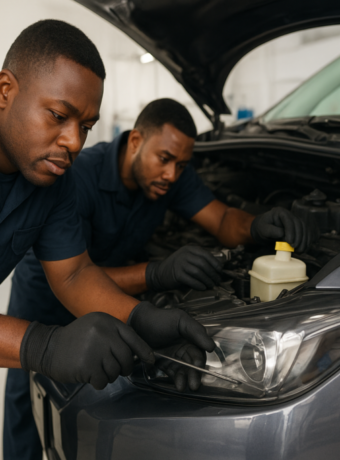
A well-organized workshop is the first sign of professionalism.
Mechanics working from a consistent shop location are easier to track, more trustworthy, and usually more skilled than those working randomly at different places.
Good signs:
- Proper tools and diagnostic machines
- Clean or organized environment
- Other cars being serviced
Red flags:
- Disorganized space
- No proper tools
- Constantly moving from place to place
2. Check for Experience With Your Car Brand
Cars have different systems depending on their brand—Toyota, Mercedes, Kia, Nissan, Hyundai, BMW, and others require different levels of expertise.
Always ask:
“Do you specialize in this type of car?”
A mechanic familiar with your brand will diagnose quicker, avoid trial-and-error, and save you money.
3. Ask for Recommendations
In Ghana, word-of-mouth is powerful. Ask trusted people:
- Family
- Friends
- Coworkers
- Taxi and Uber drivers
- Car dealers
Experienced drivers know who is good—and who to avoid.
4. Check Their Transparency and Honesty
A good mechanic explains the problem clearly and shows you what is wrong.
Choose mechanics who:
- Allow you to see the damaged part
- Give you a breakdown of the cost
- Do not change parts without informing you
- Do not overcharge
If a mechanic behaves like everything is a “big secret,” run away.
5. Compare Prices Before Agreeing
Prices change depending on location and mechanic experience.
Before any repair, ask for an estimate and compare with others.
Pro tip:
If the price is too cheap, be careful—cheap mechanics often cause bigger problems later.
6. Look for Diagnostic Tools
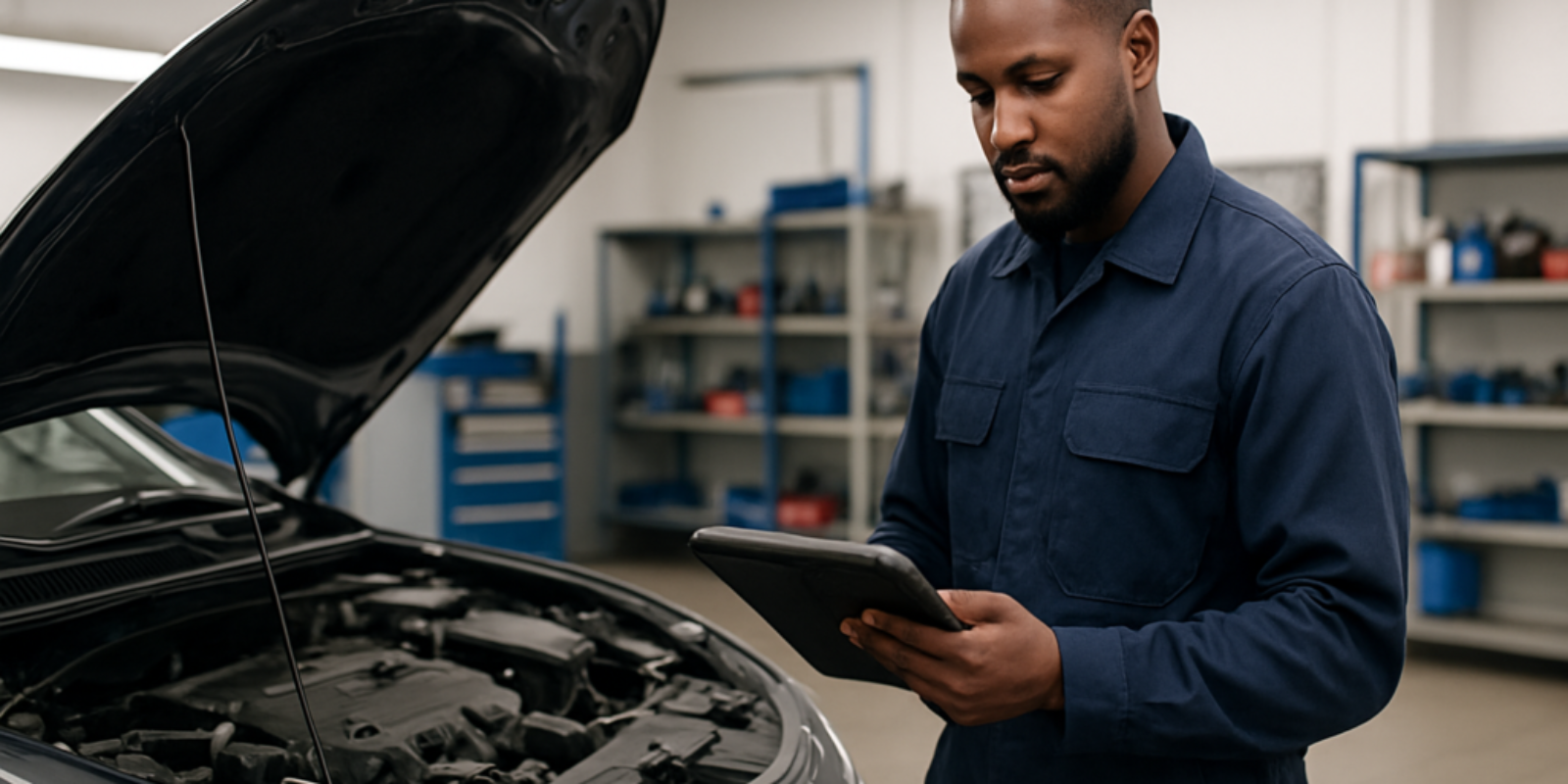
Modern vehicles require computer scanning before repair.
A good mechanic in Ghana should have:
- OBD-II scanner
- Multimeter
- Pressure gauges
- Basic digital tools
Mechanics who rely only on guesswork will create more problems.
7. Check Customer Reviews (Online & Offline)
Ghana is improving in digital business listings.
Check:
- Google Reviews
- Facebook Pages
- Instagram comments
- TikTok reviews
- WhatsApp recommendations
If many people complain about the same mechanic—avoid them.
8. Ask About Warranty on Work
Good mechanics provide a service guarantee such as:
- 1 week warranty
- 1 month warranty
- Free check-up if the problem returns
Mechanics who don’t stand by their work may not be confident in their repairs.
9. Observe Their Attitude and Professionalism
A mechanic’s attitude matters.
Look for someone who is:
- Patient
- Respectful
- Ready to explain
- Not always in a rush
- Not shouting or insulting customers
Your mechanic should be someone you can trust long-term.
10. Choose a Mechanic Near You
When your car breaks down, distance becomes a problem.
It’s best to pick a mechanic within your area so towing and transport costs remain low.
Mechanics in Ghana often work best when they know you and see your car regularly.
11. Start With a Small Job First
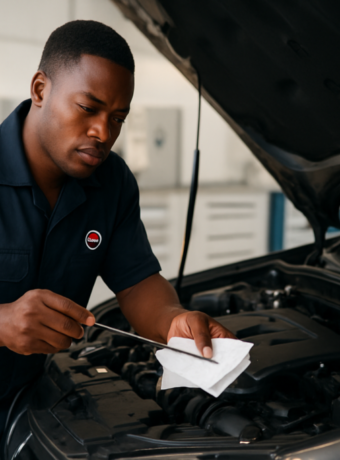
Before trusting a mechanic with major repairs (engine, gearbox, brakes), test them with something small like:
- Oil change
- Battery replacement
- Brake pad change
- Coolant top-up
If they do this well, you can trust them with bigger work.
Conclusion
Choosing the right mechanic in Ghana is not luck—it’s strategy.
Follow these steps and you’ll find someone who keeps your car safe, reliable, and efficient.
A good mechanic saves you money.
A bad one costs you more than a new car.
Take your time, choose wisely, and build a long-term relationship with a trusted professional.